Table of Contents
Everyone experiences pain differently. Your experience of sorrow and how you deal with it will certainly depend on various variables. These may include your age, previous experiences with pain and your spiritual or religious sights.
Anticipatory pain indicates feeling sad before the loss occurs. Instead than regreting for the person, who is still with you, you might really feel despair for things you won't reach do with each other in the future. When facing a substantial loss, such as the fatality of a liked one, it is all-natural to feel lots of solid feelings.
This doesn't suggest you have surrendered on the person or that you don't care for them. People identified with an incurable ailment and those encountering the fatality of a loved one may experience awaiting pain. If you have been identified with a terminal ailment, you might experience several feelings including shock, fear and despair.
Safe Relationships in the Therapeutic Process for High-Achievers
You regret lost chances or experiences you'll miss also tiny ones, such as the pleasure of the sunshine or a hot mug of coffee. If somebody you love is encountering an incurable illness, it prevails to experience anticipatory pain in the months, weeks and days prior to death. You might grieve the same things your enjoyed one is grieving, or different losses completely.
You might really feel that the individual you recognized is already gone, also if they are still literally there. If your liked one has a decrease in physical wellness or movement, you might feel awaiting sorrow as you lose the chance to share experiences, such as pastimes, holidays or events.

This is especially true if you spend a great deal of time caring for the person. You might miss out on activities you made use of to appreciate with each other and feel sorrow regarding the adjustment in your partnership. The nature of your connection might transform as you take on a carer's role, or become the one being cared for.
Feelings of despair prior to fatality are regular it's vital to recognise them, and to speak about them. Experiencing awaiting sorrow does not always mean that you will certainly regret your loved one any kind of much less after they are gone. Carers of people who are terminally ill might come to be more detailed to their enjoyed one, making their feelings of sorrow after death also a lot more extreme.
The Managers That Propel Perfectionism
Lifeline offers assistance for individuals experiencing emotional distress. Past Blue supplies information and support for people experiencing psychological health problems including pain. Griefline Call 1300 845 745 for assistance readily available to grownups matured 18 years and over. Mensline offers telephone and online counselling and support to guys in Australia. Cancer Council supplies details and assistance to individuals with cancer and their loved ones.
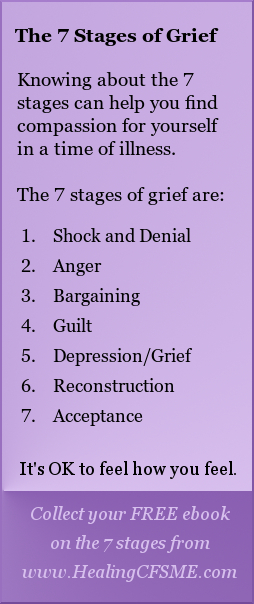
People speak about the five phases of sorrow as: rejection anger negotiating depression acceptance. Actually, we do not experience feelings of pain one by one or in a specific order. We understand that there are no set stages that everybody goes with. You may experience these points because they are all typical feelings of grief.
Some individuals feel numb after the fatality of a person they cared around. If you experience this, it could be due to the fact that it's just also tough to think that the person you know so well is not coming back.
Depression Behind the Facade of Achievement
Maybe they assure themselves that they will certainly now always do (or otherwise do) something, thinking that it could make the individual that has actually died returned. Or possibly they believe it will certainly quit any person else dying or various other bad points occurring. This is sometimes called 'enchanting reasoning'. People might additionally find that they maintain going back over the past and ask lots of 'what if' inquiries, wanting that they might return and change things so that they can have ended up differently.
These sensations can be really intense and painful, and they may come and go over numerous months or years. But the majority of people discover that painful sensations similar to this become much less strong gradually. If you do not feel this is the situation for you, then you ought to ask for help.
Her model came to be extensively approved as a means to comprehend despair, yet gradually, pain counsellors and researchers increased upon it, bring about the advancement of the. This extended model includes additional psychological reactions that people may experience: The initial response to loss typically brings shock and disbelief. This phase serves as a safety mechanism, allowing us to absorb the truth of our loss in manageable doses.
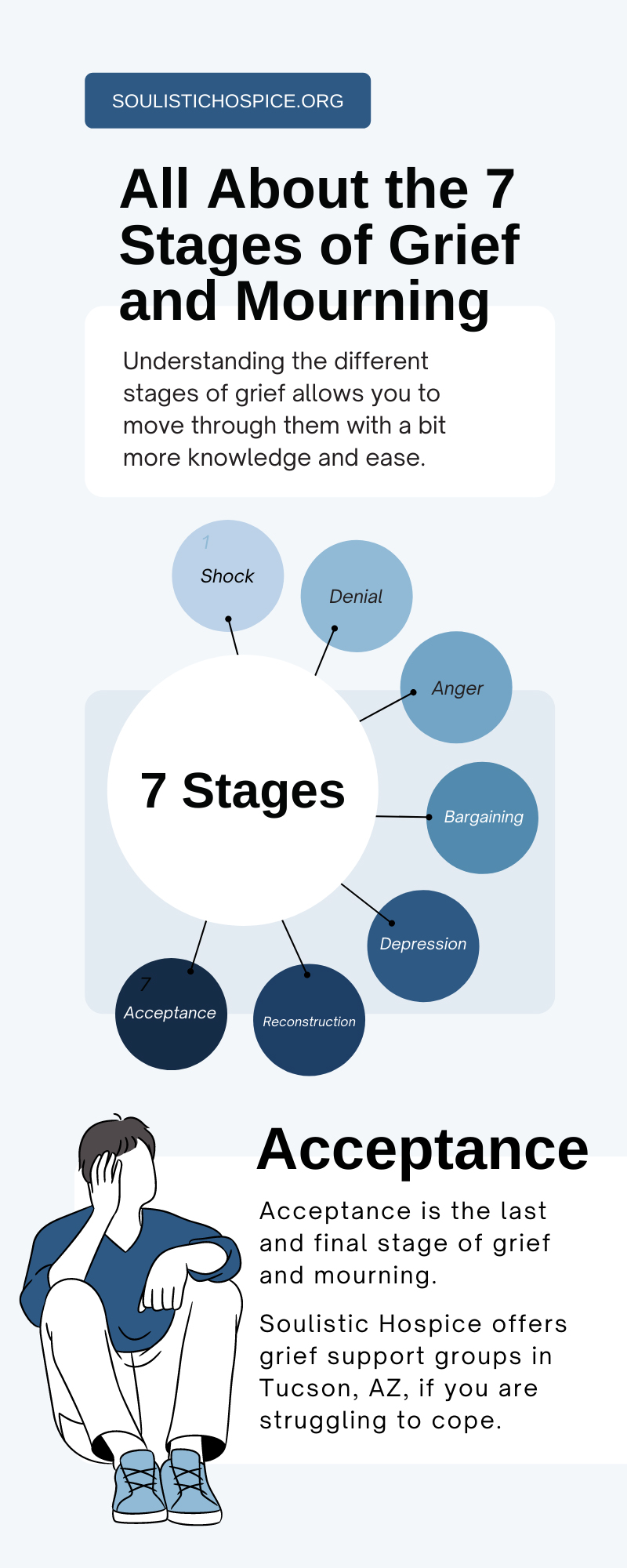
As the shock discolors, deep psychological discomfort embed in. Sensations of regret or regret may arisewondering if you might have done something in a different way, or sensation sadness over points left unexpressed. It's necessary to acknowledge these sensations instead of reduce them. Pain can show up as angertoward yourself, others, and even the individual that has passed.

Navigation
Latest Posts
Authentic Healing Is Possible: Personal Testimonials
Creating a Treatment Plan for Dialectical Behavior Therapy
Professional Harmony After PTSD Treatment